

Ghost Tours Blend History, Folklore, and Architecture Into Living Storytelling Experiences

Ghost tours are not about frightening people...They are about helping people understand how stories, buildings, and history stay connected long after the events themselves have passed”
NEW ORLEANS, LA, UNITED STATES, January 21, 2026 /EINPresswire.com/ -- Ghost tours have become a defining part of cultural tourism in historic cities, particularly in places where centuries of architecture and layered history remain visible in everyday streetscapes. While many visitors associate ghost tours primarily with spooky stories, these walking experiences offer far more than theatrical storytelling. They serve as living narratives that connect historical events, folklore traditions, and architectural preservation into a single immersive experience.— Milton Walker Jr.
In cities like New Orleans, haunted walking tours follow paths shaped by colonial settlement, river commerce, epidemics, fires, political change, and cultural exchange. Each building carries a documented past that contributes to modern folklore. Ghost tours bring those histories into focus, transforming static landmarks into active storytellers.
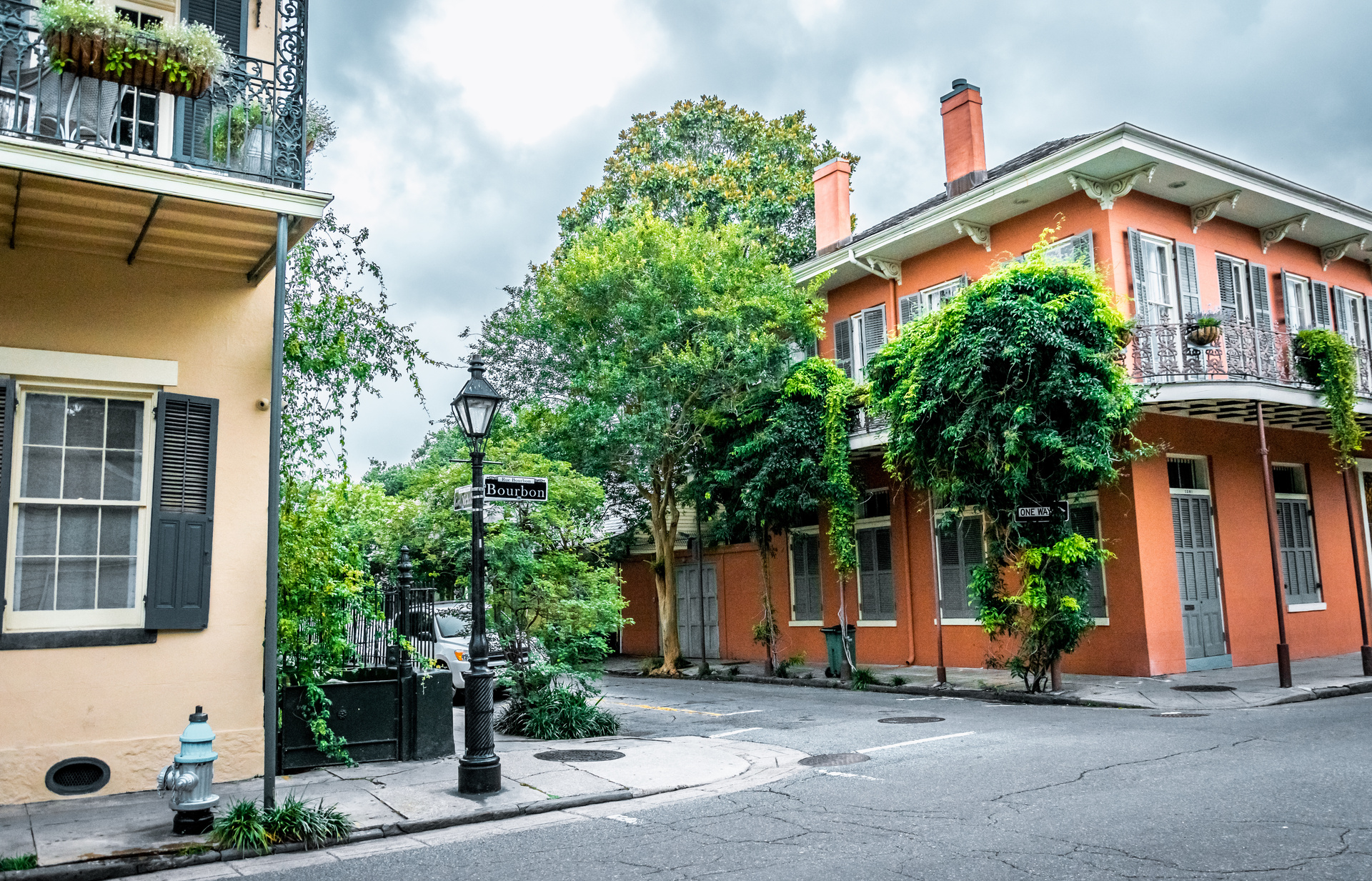
Architecture plays a central role in this process. Iron balconies, shuttered windows, courtyards, and narrow alleyways reflect the influences of French, Spanish, Creole, and American design traditions. These features not only shape the city’s appearance, but also provide context for stories tied to each location. Architectural detail becomes part of the narrative rather than a backdrop.
Folklore bridges the gap between recorded history and community memory. Stories passed through generations preserve emotional truth even when factual details evolve. Ghost tours present these narratives alongside documented events, allowing visitors to understand how legend often grows from lived experience.
History provides the foundation. Many stories associated with haunted locations involve epidemics, fires, duels, political intrigue, piracy, or social conflict. When guides connect folklore to historical timelines, visitors gain a clearer understanding of how the past continues to influence present identity.
“Ghost tours are not about frightening people,” said Milton Walker Jr., owner of Louisiana Tour Company in New Orleans, Louisiana. “They are about helping people understand how stories, buildings, and history stay connected long after the events themselves have passed.”
Walking tours further enhance this connection. Traveling on foot allows participants to experience scale, distance, and environment. The sound of footsteps on old pavement, the texture of brick walls, and the shifting light of street lamps contribute to sensory engagement. These details reinforce storytelling authenticity.
Unlike static museum exhibits, walking tours allow stories to unfold within their original settings. Visitors do not simply hear about history. They stand where it happened. This physical connection deepens understanding and memory.
Local culture also shapes ghost tour narratives. New Orleans blends French, Spanish, African, Caribbean, and American influences. Religious traditions, burial customs, and social rituals all contribute to regional folklore. Ghost tours reflect this cultural complexity rather than isolating stories into simple entertainment.
Tour guides act as interpreters between past and present. Their role involves historical research, narrative pacing, and audience awareness. Effective guides balance education with atmosphere, ensuring stories remain grounded in context rather than drifting into fiction.
Another important element is respect. Many haunted locations involve real people, real tragedies, and real communities. Thoughtful tours present stories with care, emphasizing understanding rather than exploitation.
Ghost tours also highlight preservation. When visitors learn the stories behind buildings, appreciation for architectural protection increases. Awareness encourages conservation by demonstrating that history has value beyond appearance.
Tourism scholars often describe ghost tours as “narrative preservation.” Stories keep places alive when documents fade. Oral tradition becomes a form of historical continuity.
These tours also support intergenerational learning. Younger visitors discover local history through storytelling. Older visitors reconnect with familiar landmarks through new perspectives. Cultural memory remains active rather than archived.
Folklore evolves alongside society. Modern interpretations continue to shape how stories are told. Ghost tours reflect that evolution by blending traditional accounts with updated research.
Architecture continues to influence storytelling as well. Restoration reveals hidden spaces, sealed doors, and structural features that inspire new narratives. As buildings change, stories adapt.
“Every generation adds a layer to the story,” Walker said. “Ghost tours allow those layers to be explored instead of forgotten.”
Weather, lighting, and timing also affect experience. Evening tours offer atmosphere, while daytime tours emphasize architectural and historical detail. Both approaches support different interpretations of the same locations.
Ghost tours further encourage curiosity. Participants often seek additional historical resources after experiencing stories in person. This curiosity supports education and community engagement.
Local businesses also benefit from cultural tourism. Restaurants, shops, and museums experience increased visitation as tours draw attention to historic districts.
Another element involves identity. Cities often define themselves through stories. Ghost tours contribute to that identity by preserving narratives that might otherwise disappear.
Walking tours also promote connection. Strangers become a shared audience. Shared experience strengthens memory and emotional engagement.
Technology has expanded storytelling possibilities. Audio enhancements, lighting tools, and digital research support accuracy and atmosphere without replacing human narration.
Despite modern tools, the core of ghost tours remains unchanged. Storytelling remains the heart of the experience.
“What makes a ghost tour meaningful is not the fear,” Walker said. “It is the connection between people, places, and memory.”
Ghost tours ultimately serve as cultural bridges. They link history with imagination, architecture with narrative, and folklore with lived experience. They remind participants that cities are built not only with brick and iron, but also with stories.
In New Orleans, where history lives openly in streets and structures, ghost tours continue to serve as walking classrooms. They transform past events into present understanding.
Ghost tours are not about proving what is haunted. They are about remembering what happened.
When history, folklore, and architecture come together, ghost tours become more than entertainment. They become living history, carried forward one story at a time.
Morgan Thomas
Rhino Digital, LLC
+1 504-875-5036
email us here
Visit us on social media:
Facebook
Legal Disclaimer:
EIN Presswire provides this news content "as is" without warranty of any kind. We do not accept any responsibility or liability for the accuracy, content, images, videos, licenses, completeness, legality, or reliability of the information contained in this article. If you have any complaints or copyright issues related to this article, kindly contact the author above.
